-
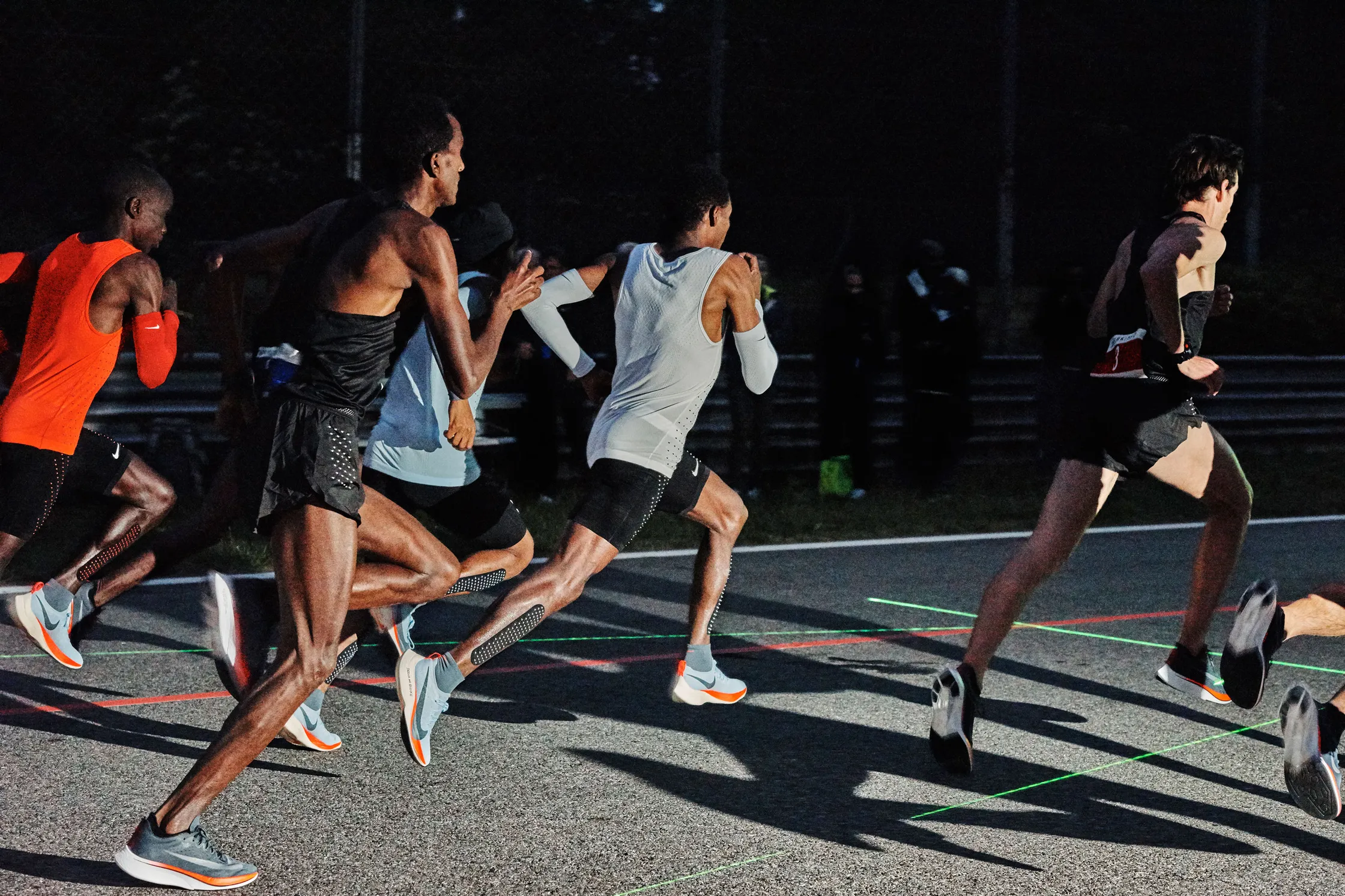
On the night of May 5, 2017, Eliud Kipchoge, the world’s best marathon runner, lay awake with his eyes open and his mind racing.
-
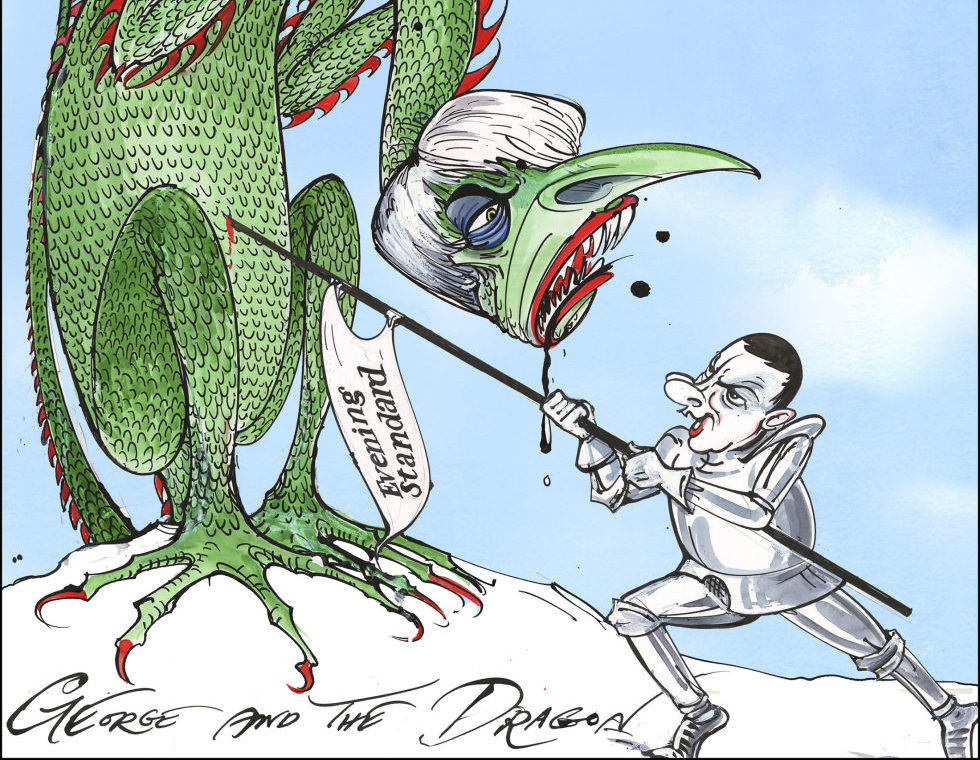
At a little after 6.30, nearly every weekday morning, George Osborne — 46 years old, tall, rich, boyish, tieless — takes the bus from Notting Hill in west London, where he lives, to Kensington High Street, where he works, orders his breakfast to take away from Leon, arrives at the marbled and airy headquarters of…
-

Anna Lyndsey’s memoir of extreme light sensitivity got rave reviews—but doctors have doubts about her story.
-
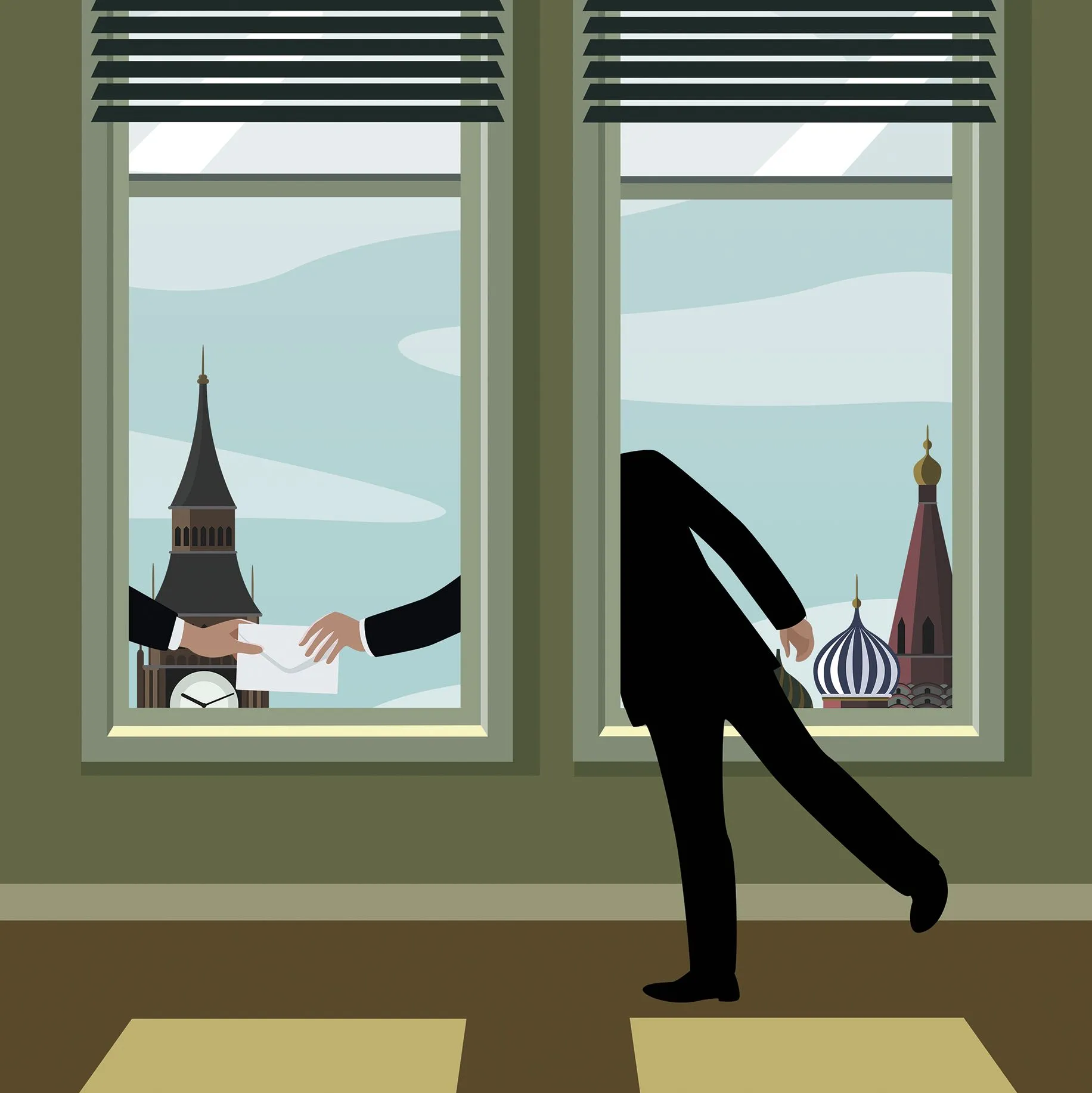
How a scheme to help Russians secretly funnel money offshore unravelled.
-
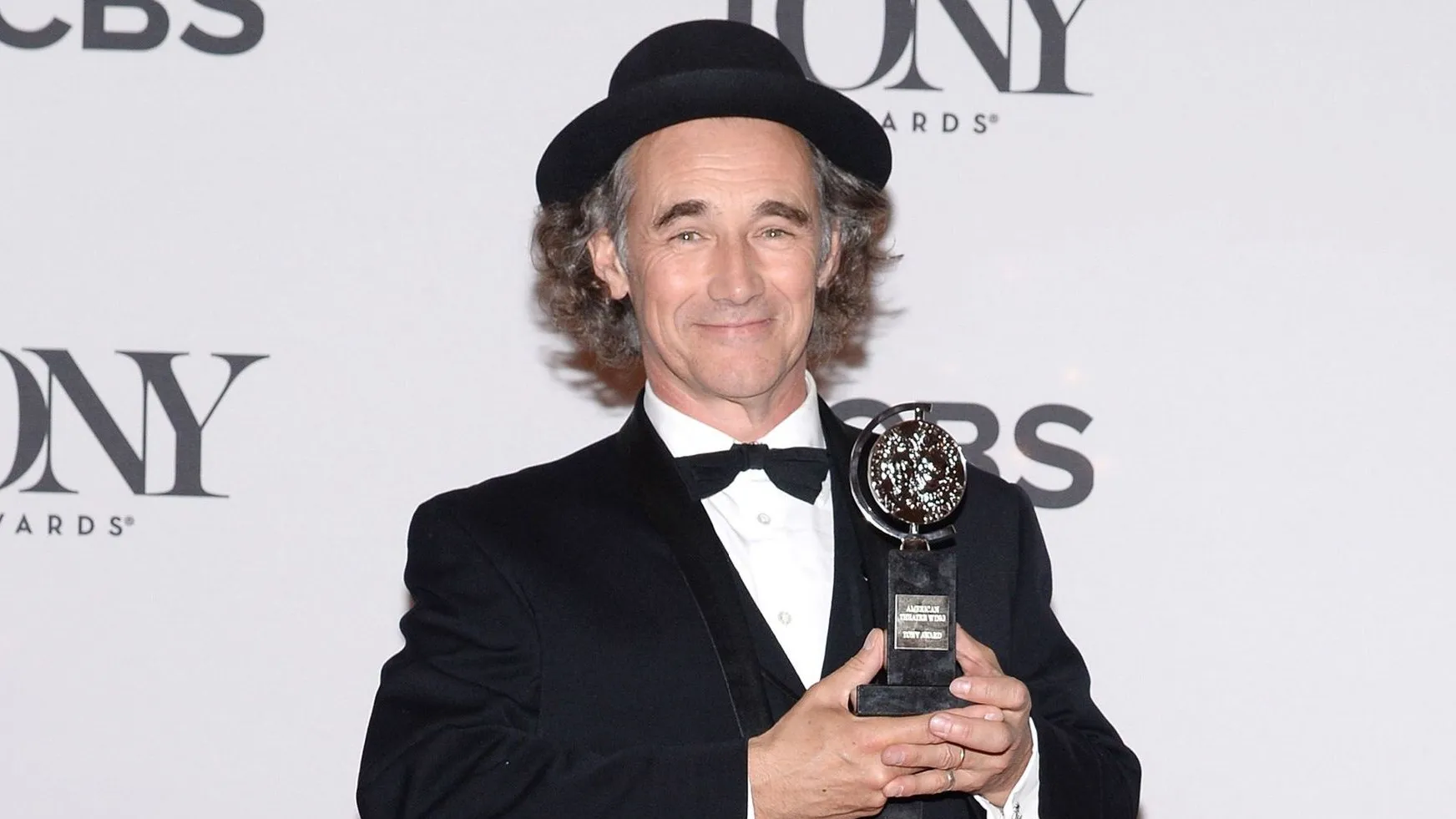
From Shakespeare to Steven Spielberg, the actor his peers agree is the greatest of his generation is breaking character and stepping off the stage to lend his gifts to two Hollywood blockbusters (and playing Thomas Cromwell in the BBC adaptation of Hilary Mantel’s Wolf Hall, which has won two Bafta awards). When GQ met theatre’s…
-

Witanhurst, London’s largest private house, was built between 1913 and 1920 on an eleven-acre plot in Highgate, a wealthy hilltop neighborhood north of the city center. First owned by Arthur Crosfield, an English soap magnate, the mansion was designed in the Queen Anne style and contained twenty-five bedrooms, a seventy-foot-long ballroom, and a glass rotunda;…
-
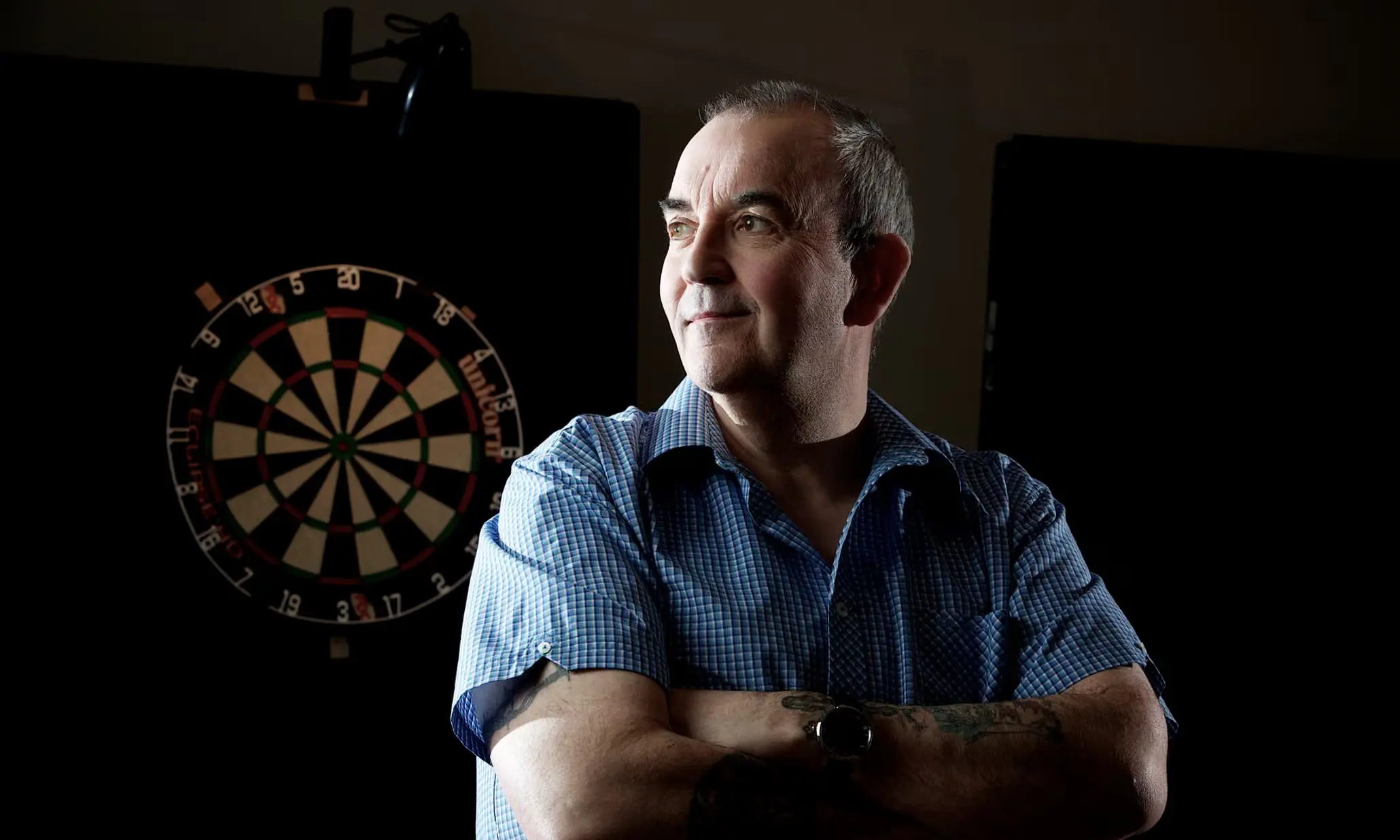
Some say Phil Taylor is Britain’s greatest living sportsman. At 54, he has nothing left to prove, but will not quit. Does he need the game more than it needs him?
-
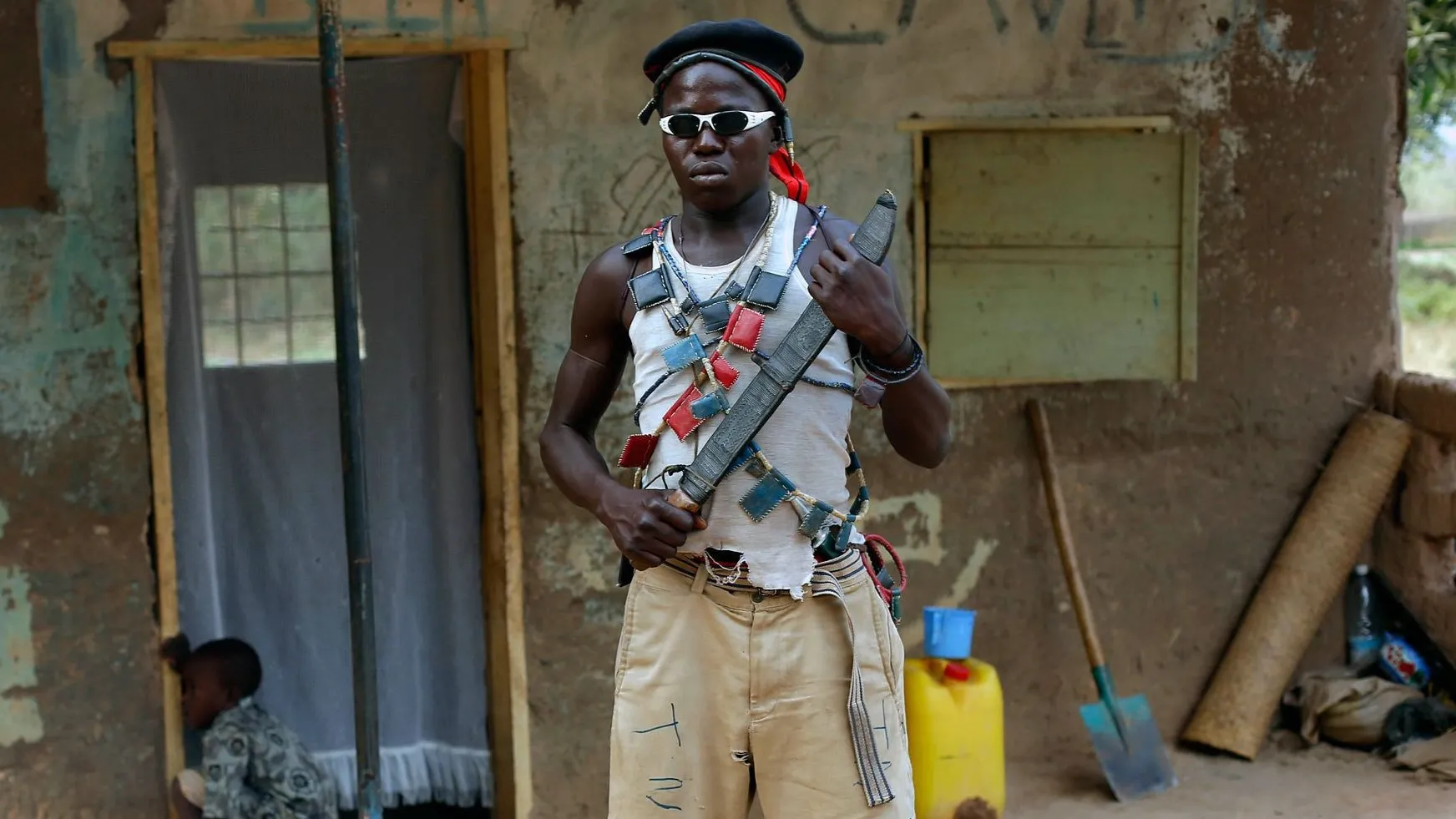
Nobody could tell me the dead man’s name. It was a little after nine on an oven-hot late January morning in the district of Combattants in Bangui, the capital of the Central African Republic.
-
Roger Federer has won a record number of Grand Slam tournaments with the precision of, well, a Swiss watch. And at 33 his enthusiasm for the game remains undiminished.
-
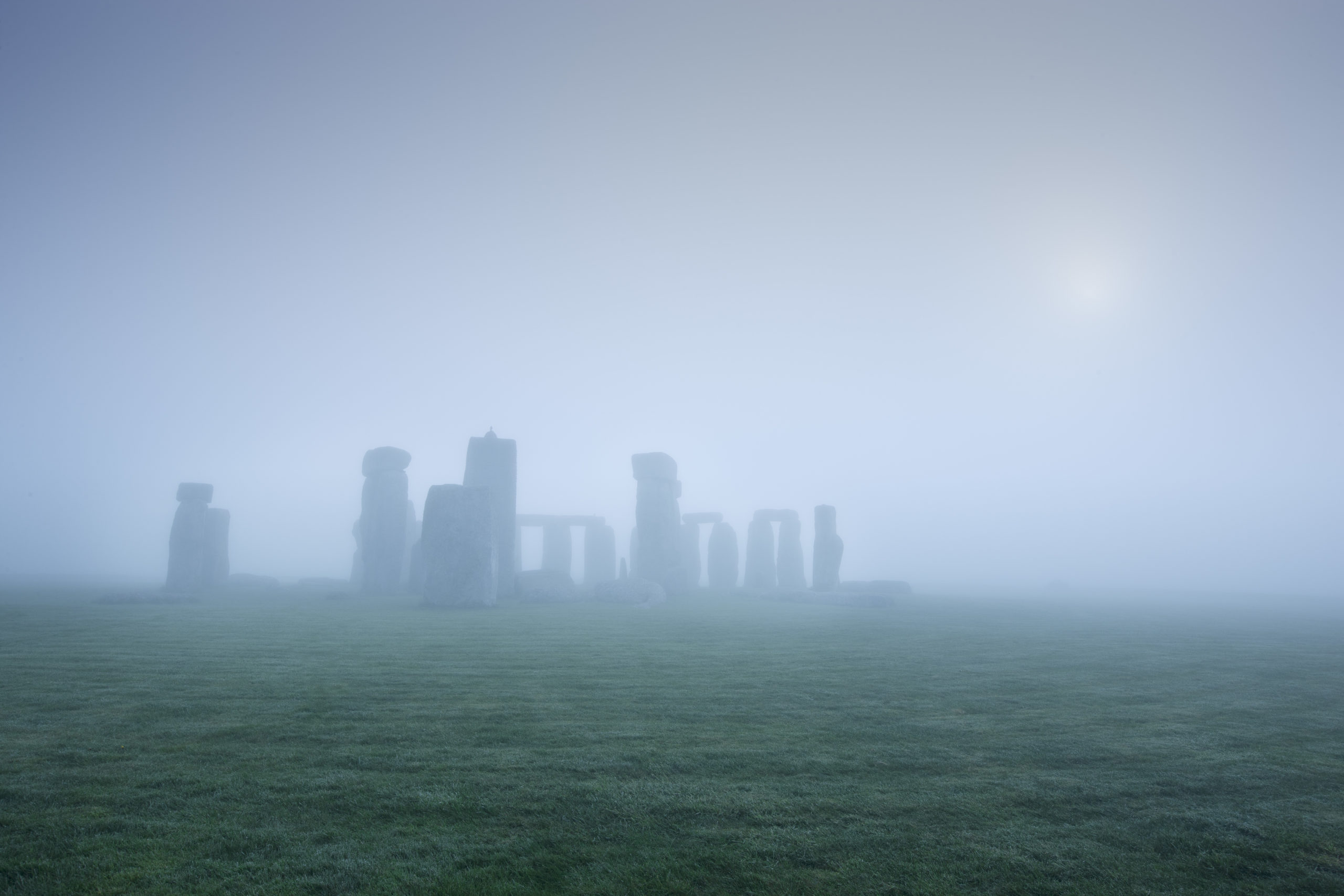
A new Smithsonian Channel show reveals groundbreaking research that may explain what really went on there.